
Some of Mexico’s most recognizable traditions took shape in Jalisco. Mariachi music, charrería (Mexico’s traditional equestrian art), the clay crafts of Tonalá, and tequila all have roots in this western state, and they remain alive through the people who practice them every day.
Jalisco cultural experiences offer a close look at that heritage: hearing mariachi in a small-town plaza, watching an artisan shape clay by hand, or walking among agave fields that have defined the landscape for centuries.
Some travelers come to discover these traditions. Others come to reconnect with them. The route begins in Guadalajara, crosses the Agave Landscape, and ends in Tequila, at the distillery where one of the oldest chapters in the history of this spirit began.
Jalisco sits in western Mexico, along the Pacific coast. Its capital, Guadalajara, is the natural starting point, with an international airport and direct flights from many U.S. cities. The town of Tequila lies about 40 miles (65 km) northwest, roughly an hour away by road.
Jalisco: Where Cultural Travel in Mexico Begins
Few places are home to so much heritage recognized around the world. Three of the traditions behind Jalisco cultural experiences carry UNESCO recognition: mariachi, charrería, and the Agave Landscape.
Seeing them where they were born changes how you understand them. What many people have only glimpsed at a distant celebration has names, families, and a homeland here.
Mariachi and Charrería: Living World Heritage
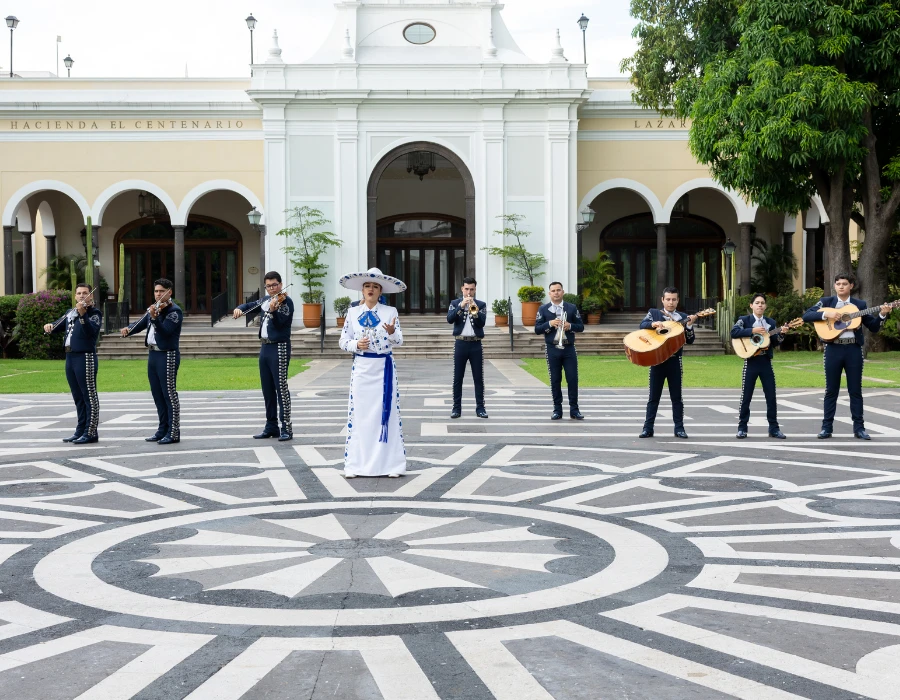
In 2011, UNESCO inscribed mariachi on its list of the Intangible Cultural Heritage of Humanity. Cocula, southwest of Guadalajara, is known as its birthplace, and music is still part of everyday life there.
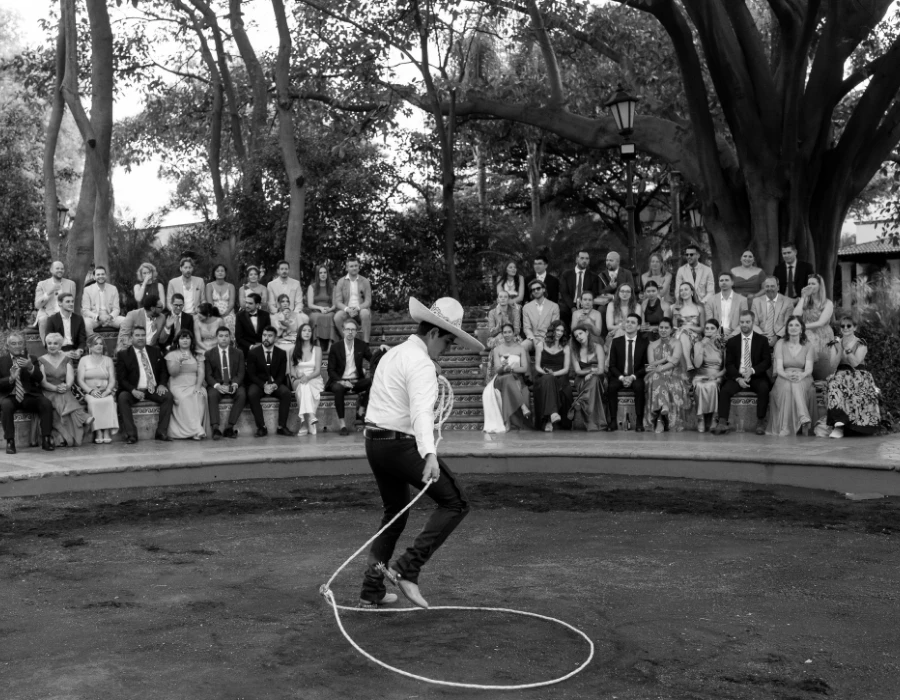
Charrería received the same recognition in 2016. In Jalisco’s lienzos charros, the arenas built for these events, horsemanship, traditional dress, and codes of respect pass from one generation to the next.
Attending a charreada, a full charrería competition, is one of the most direct ways to understand the identity of rural Mexico.
Tlaquepaque and Tonalá: A Craft Shaped in Clay
Just minutes from downtown Guadalajara, San Pedro Tlaquepaque and Tonalá preserve a pottery tradition that goes back centuries. In many family workshops, each piece is still shaped, burnished, and painted by hand.
Visiting these workshops is one of the most accessible Jalisco cultural experiences from the city. Talking with the families who keep the craft alive reveals the origins of the techniques, colors, and forms that define the region.
Guadalajara and the Orozco Murals
In Guadalajara’s historic center, the Hospicio Cabañas houses the murals José Clemente Orozco painted in the late 1930s, including the celebrated Man of Fire in its central dome. The building was declared a UNESCO World Heritage Site in 1997.
Walking through its courtyards and main chapel is essential for understanding 20th-century Mexican art and the vision of one of its great muralists.
The Agave Landscape, a UNESCO World Heritage Site
On the way to Tequila, the horizon changes. Fields of blue agave cover the slopes between the Tequila Volcano and the Río Grande de Santiago valley, a territory UNESCO declared a World Heritage Site in 2006.
The region brings together the fields, the historic distilleries, and the towns that shaped tequila culture. It is one of the most recognizable destinations for cultural travel in Mexico.
The Jimador, Keeper of the Agave
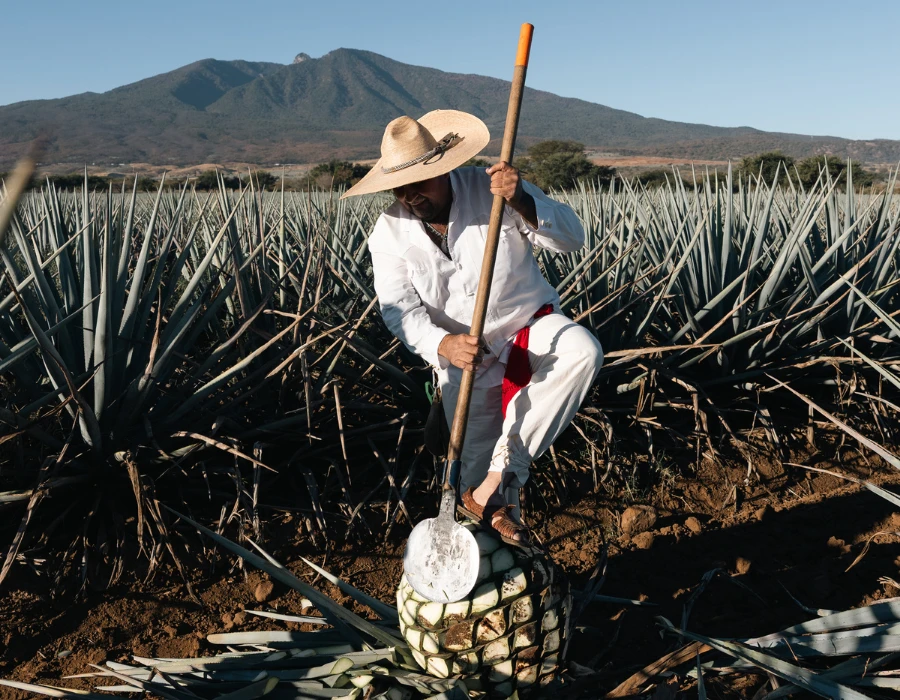
Each plant represents years of care. The jimador, the skilled agave harvester, knows the exact moment to harvest. Using a coa, a long-handled tool with a flat, sharp blade, the jimador cuts away the leaves until only the piña remains: the heart of the agave, later cooked and distilled.
The craft is learned within families and handed down through generations. Watching a jimador at work is among the Jalisco cultural experiences that best reveal how much time matters in this tradition.
Tequila: History and Craft in a Pueblo Mágico
The route ends in Tequila, the town that gave the spirit its name. It is a Pueblo Mágico, part of Mexico’s “Magical Towns” program, which recognizes communities for their history and cultural significance.
Among cobblestone streets, historic homes, and the aroma of cooked agave, the town holds the memory of more than two centuries of production.
Jose Cuervo Express: Arriving in Tequila by Rail
One of the most memorable ways to arrive is aboard the Jose Cuervo Express. The train departs from Guadalajara and crosses the Agave Landscape, with the fields in view for much of the journey.
The pace of the train invites you to take in the territory slowly, with the calm that a landscape shaped over centuries deserves.
On arrival in Tequila, the welcome may include mariachi and ballet folklórico, Mexico’s traditional folk dance. It closes the journey with the same traditions that gave Jalisco its identity.

La Rojeña Distillery, the Oldest Tequila Distillery in Latin America
La Rojeña Distillery’s story unfolds in three milestones. In 1758, the Cuervo family acquired the land where its legacy would begin. In 1795, a license from the Spanish Crown authorized production. In 1812, the distillery took the name it still carries today.
Guided tours walk visitors through the full process, from cooking the agave hearts to resting the tequila in oak barrels inside its aging cellars.
For travelers seeking authentic tequila experiences, few places hold this much history in one setting.
Staying in Tequila
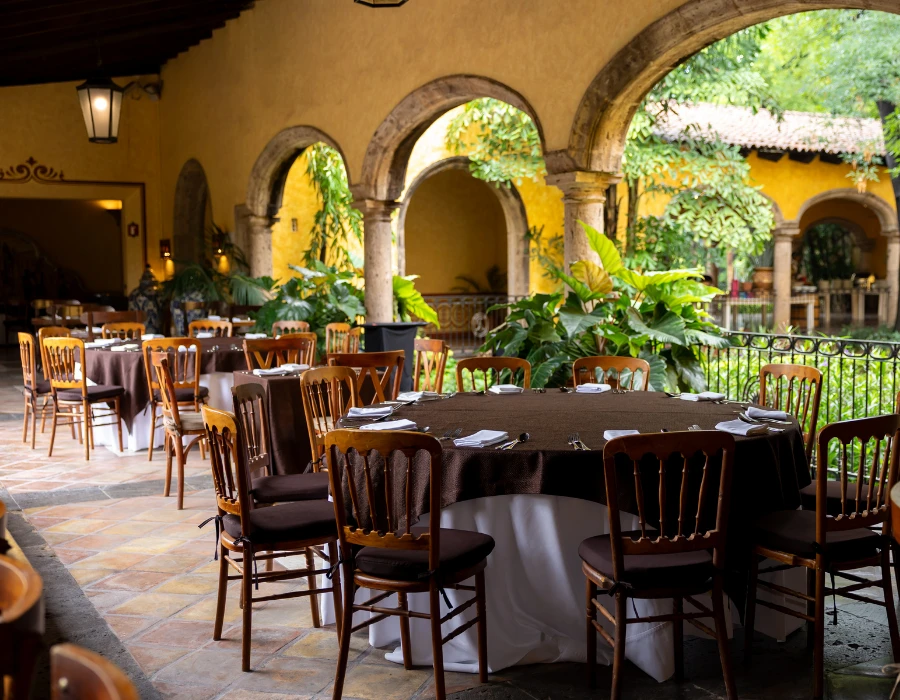
Tequila is best discovered without rushing, and an overnight stay adds depth to any itinerary of Jalisco cultural experiences. Spending the night at Hotel Solar de las Ánimas lets you explore the town at dusk and early in the morning, when the streets settle into calm.
At the restaurant La Antigua Casona, traditional Mexican cuisine rounds out the visit with the flavors of the region.
Planning Your Cultural Travel in Mexico Through Jalisco
Plan your Jalisco cultural experiences in stages. Guadalajara, the artisan towns, and Tequila fit into a single trip, but each destination deserves its own time. Allowing at least a few days for the region makes room for the slower rhythm these places call for.
- Use Guadalajara as your base. The city connects easily to Tlaquepaque, Tonalá, and the Agave Landscape, and the Jose Cuervo Express departs from there.
- Choose guided visits and local guides. People who know each place explain what isn’t visible at first glance: the origin of a technique, the meaning of a ritual, or the story behind a tradition.
- Consider the season. Patron saint festivals, Mexican Independence celebrations in September, and Day of the Dead in early November fill Jalisco’s plazas with life.
- Book ahead. Reserving key experiences, such as the train journey and distillery tours, before you arrive makes planning easier, especially during holiday seasons.
- Travel with respect. Asking before taking photos, buying directly from artisans, and following each site’s guidelines are concrete ways to care for the heritage you visit.
Discovering Mexico Through Its Traditions
Music, craft, landscape, and a distillery with more than two centuries of memory: Jalisco cultural experiences form one of the most complete routes for cultural travel in Mexico.
Tequila opens its doors to that legacy and to the stories that keep it alive.