
Tequila sits about 40 miles northwest of Guadalajara, in Jalisco’s Valles region. A cultural weekend in Tequila works for one reason: the town runs at its own pace, and that pace takes over the moment you arrive.
Two days are enough to see the agave fields, walk through a distillery that has been working for centuries, and explore a historic center that was never built for visitors. A longer stay is ideal if you don’t want a tight schedule. This guide handles the logistics so you arrive with everything settled.
Getting there, and when to go
Guadalajara International Airport (GDL) receives direct flights from Los Angeles, Dallas, Houston, Chicago and several other US cities. From the airport, Tequila is roughly a 90-minute drive.
Rental cars are widely available and the highway is straightforward. The train is the other option, and for most visitors it is the better one.
The dry season runs from November through May, with warm days and cool evenings. June through September brings afternoon rain, usually short and heavy. Book a few weeks out for weekends, and further ahead if you are traveling with a group.
The agave landscape is a UNESCO World Heritage Site
You will see the agave before you reach the town. Blue-green fields cover the slopes of the Tequila Volcano, planted in rows that follow the grade of the land.
UNESCO added this landscape to the World Heritage list in 2006, along with the region’s historic industrial facilities. The designation recognizes a territory shaped over generations by a single crop and the craft built around it.
The workers who harvest agave are called jimadores. They use a coa, a long-handled blade whose design has barely changed. Each plant takes six to eight years to mature. That timeline explains a great deal about the region.
Inside a distillery that never stopped working
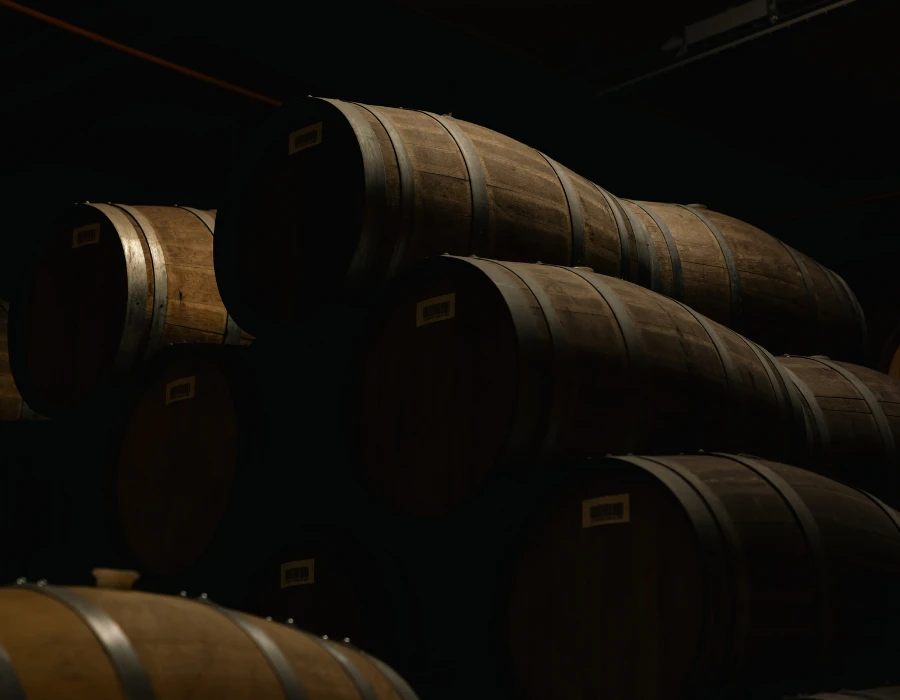
Destilería La Rojeña sits in the center of town and is the oldest tequila distillery in Latin America. It is still in operation, so a tour takes you through a working facility rather than a museum.
Inside are the masonry ovens where the agave hearts, also called piñas, are slow-cooked, along with the fermentation tanks and the barrel cellars. The air changes from room to room: sweet near the ovens, drier and woodier among the barrels.
The walls hold layers of history that accumulated without a plan. Crests, murals, archways from different centuries. The building grew alongside the craft.
Tequila Tastings: Learning to tell one tequila from another

A tasting is essentially a class. You learn where each characteristic comes from: what the agave contributes, what the regional soil contributes, what changes when the spirit spends time in oak.
The difference between blanco, reposado and añejo stops being a label on a bottle. Blanco goes unaged. Reposado rests in oak for at least two months, añejo for at least a year, and each step changes the color and the character.
A maestro tequilero walks you through the process and gives you the vocabulary to describe what you are noticing. No prior knowledge is required.
Things to do in Tequila beyond the distilleries
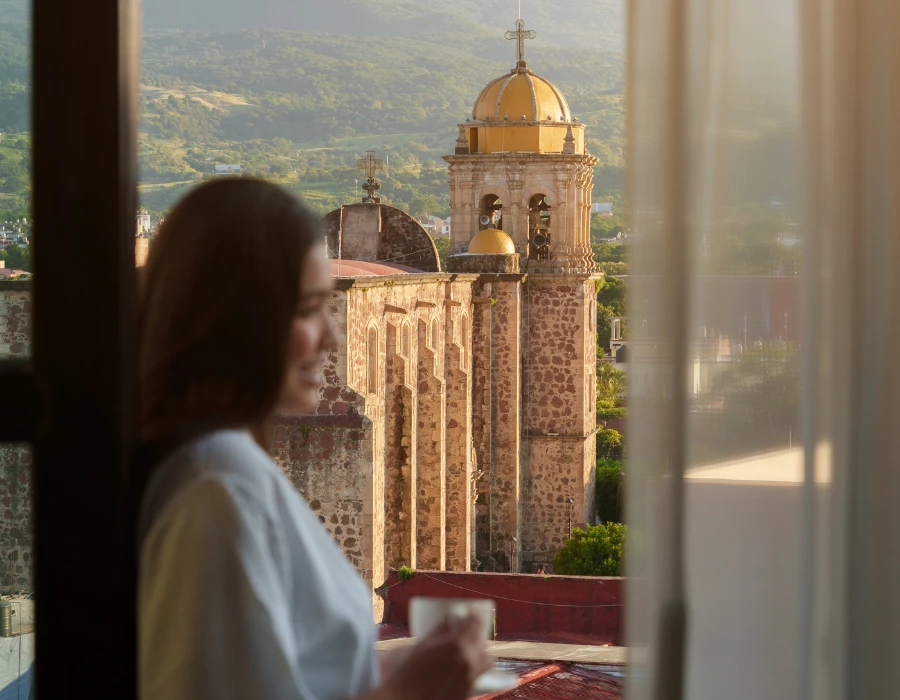
Tequila holds a Pueblo Mágico designation, a federal program that recognizes towns of cultural or historic value. The designation carries preservation requirements, which is why the center looks the way it does.
The historic center covers a few walkable blocks. The main plaza has benches under laurel trees and a bandstand where music is often played in the evening. Around it, arcaded walkways hold craft workshops and businesses that have been open for decades.
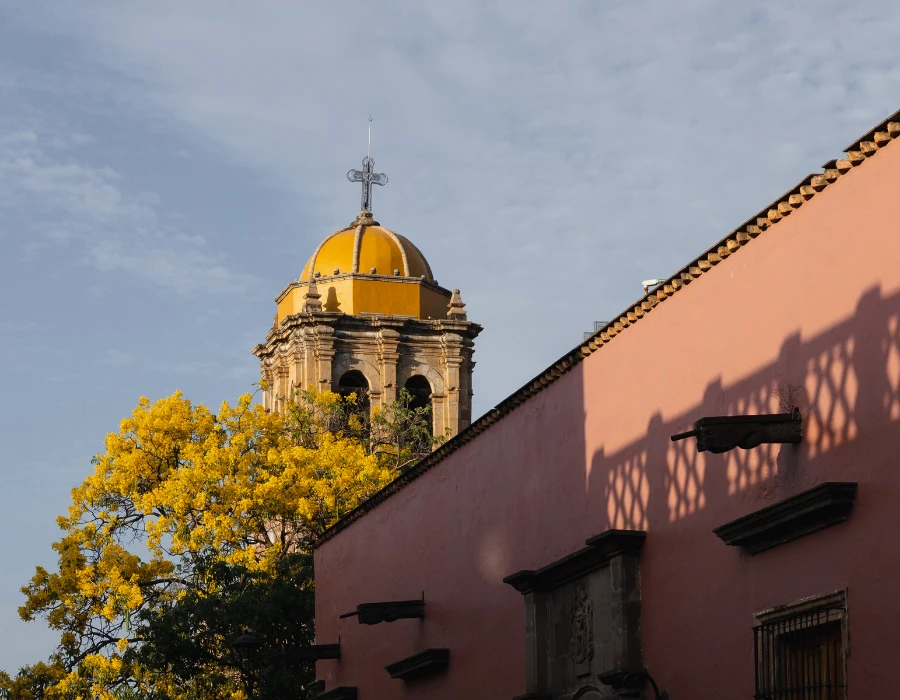
The Parroquia de Santiago Apóstol anchors one side of the plaza with two stone towers. The interior is plain and cool, and it works well as a mid-afternoon pause.
Ask locals about things to do in Tequila after sunset and the answer is usually relax and unwind. Sit, watch, let the evening pass. The town is not built to fill an itinerary.
The train ride is part of the trip

The Jose Cuervo Express runs between Guadalajara and Tequila on a historic rail line. The route crosses the agave fields at a speed that lets you appreciate them carefully.
The ride lasts long enough for a group to settle in and start talking. The arrival has its own staging with live mariachi and folkloric ballet, meeting the train in Tequila. For whoever is organizing, it covers transportation with no cars to coordinate and no parking to sort out.
That matters more than it sounds. Regional highway signage is in Spanish only, and the train takes navigation out of the equation.
Your cultural weekend in Tequila, day by day
You know what the town has to offer. Here is a basic schedule to follow without rushing, however, a longer stay allows you to discover more and do more activities.
Friday: arrive with daylight
Leave Guadalajara in the afternoon so you get in before dark. Check into your hotel, walk the plaza and have a slow dinner at a restaurant like La Antigua Casona. The first night is for adjusting to the pace.
Saturday: the full day
This is the main day. Book the Destilería La Rojeña tour early, when the rooms are still cool and the crowds are thinner. The tasting follows.
Spend the afternoon in the agave fields or in the town center. Keep the evening open, because that is when Tequila gets interesting.
Sunday: an unhurried exit
Leave the morning free for the craft workshops, and head out after lunch.
Trips like this work best when they are booked ahead. Tours have limited capacity and busier dates fill weeks in advance. Having the reservations locked in is what frees you up for everything else.